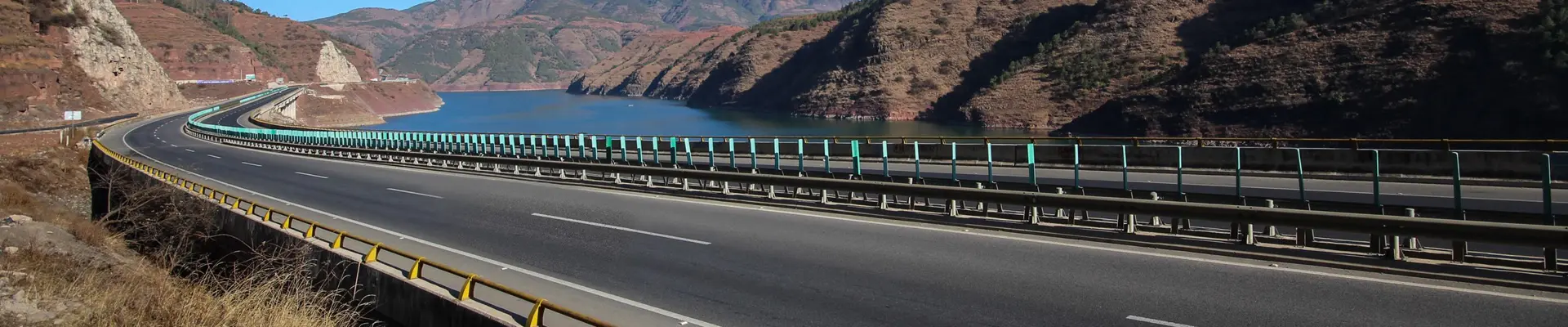
SinoGuardrail manufactures W-beam highway guardrail systems for roadside, median, bridge approach and infrastructure projects. We supply galvanized W-beam panels with compatible posts, spacers, bolts, terminals and transitions, produced to the project standard, drawings and bill of quantities.
Send your project standard, beam thickness, steel grade, coating requirement, quantity and destination. Our team can review the W-beam configuration and prepare a factory quotation.
W-beam panels are supplied as part of a complete barrier system, not as an isolated steel rail.
Available specifications depend on the governing standard, approved drawing and project authority.
Base-metal thickness, tolerance and zinc-coating mass must be stated separately.
Posts, spacers, splice bolts, terminals and transitions must match the approved system.
Q235B, Q345B, SS355 or other steel grades should be listed only when confirmed for the project.
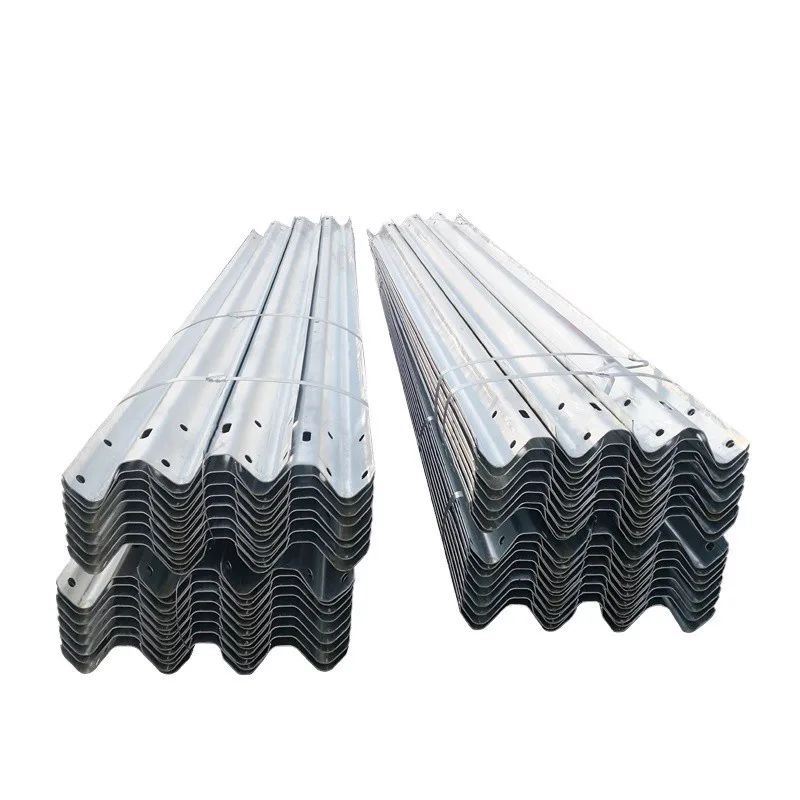
A W-beam highway guardrail system normally combines the beam with posts, spacers or blockouts, splice hardware, terminals and transitions. The exact combination should follow the approved layout rather than a generic catalogue image.
| Component | What to confirm |
|---|---|
| W-beam panel | Profile, length, effective length, thickness, steel grade, holes and lap direction |
| Posts | H, U, C, Sigma or round section, length, spacing, hole pattern and coating |
| Spacers and hardware | Blockouts, backup plates, bolts, nuts, washers and compatible dimensions |
| Terminals and transitions | End treatment, bridge transition, Thrie-beam connection and approved drawings |
For compatible components, see our highway guardrail posts and guardrail accessories pages.
W-beam specifications vary by country, road authority and barrier design. Before production, confirm the complete specification instead of selecting a beam by thickness alone.
Beam profile and overall length
Nominal uncoated base-metal thickness and permitted tolerance
Steel grade and required mechanical or mill-test documents
Hole pattern, splice arrangement and lap direction
Post section, post spacing and spacer arrangement
Surface treatment, zinc-coating mass and inspection method
Terminals, transitions, packing, marking and destination requirements
Common project references may include AASHTO M180, EN 1317 or a national road authority specification. The applicable edition and approved project drawing control the order. A product page should not imply a test level or certification unless the relevant documentation is available for the quoted system.
For an AASHTO M180 option, see AASHTO M180 W-beam guardrail. For a W-beam-to-Thrie-beam connection, see W-beam to Thrie-beam transition guardrail.
W-beam guardrail thickness normally means the nominal uncoated steel thickness. It is not a complete performance rating. State the numerical thickness, tolerance, gauge convention and governing standard in the RFQ.
| Purchase description | What it means | Confirm before ordering |
|---|---|---|
| 2.5 mm | Metric base-metal thickness | Standard, tolerance, profile and approved drawing |
| 2.67 mm | Nominal value used in some AASHTO M180 references | Applicable class, tolerance and measurement basis |
| 2.7 mm / 3.0 mm | Metric product descriptions | Do not treat them as interchangeable without written approval |
| 12 gauge | Gauge label, not a complete specification | Gauge system, numerical thickness, tolerance and standard |
Thickness alone does not define containment. Performance depends on the complete approved assembly, including beam profile, posts, spacing, spacers, fasteners, terminals, transitions, soil and installation quality.
For a detailed buying guide, read How to Choose a W-Beam Guardrail System.
Base-metal thickness and zinc-coating mass are separate requirements. A galvanized beam should be specified by its steel thickness, coating requirement and inspection method. Do not add an assumed coating thickness to the base-metal value unless the inspection procedure expressly requires a final-thickness measurement.
See the hot-dip galvanized W-beam guardrail page for coating-focused specifications.
W-beam systems are commonly used for roadside hazards, median separation, bridge approaches, expressways, curves and other road sections where a tested and approved vehicle restraint system is required. The final system must follow the project design and local road authority requirements.
Destination country and project location
Applicable standard, edition and drawing number
Beam thickness, tolerance, profile, length and hole pattern
Steel grade and required test documents
Zinc-coating mass or other surface treatment
Post type, post spacing, spacers, bolts, terminals and transitions
Quantity, packing, marking and delivery requirements
There is no universal best thickness. Use the thickness specified for the approved barrier system, project authority and site conditions.
Not automatically. Gauge depends on the governing convention. State the numerical thickness, tolerance and standard rather than using “12 gauge” alone.
Not when the order specifies nominal uncoated base-metal thickness. List steel thickness and zinc-coating mass separately.
Send the project standard, drawing, numerical thickness, tolerance, steel grade, coating requirement, quantity and destination. Include the complete BOQ when available.
Send your drawings and BOQ. We will review the W-beam thickness, tolerance, coating and compatible system components before quotation.
Send Your RFQContact: Mr.Zhang
Phone: +86 13306356181
Email: [email protected]
Add: Guanxian Economic Development Zone, Liaocheng City, Shandong Province, China
We chat