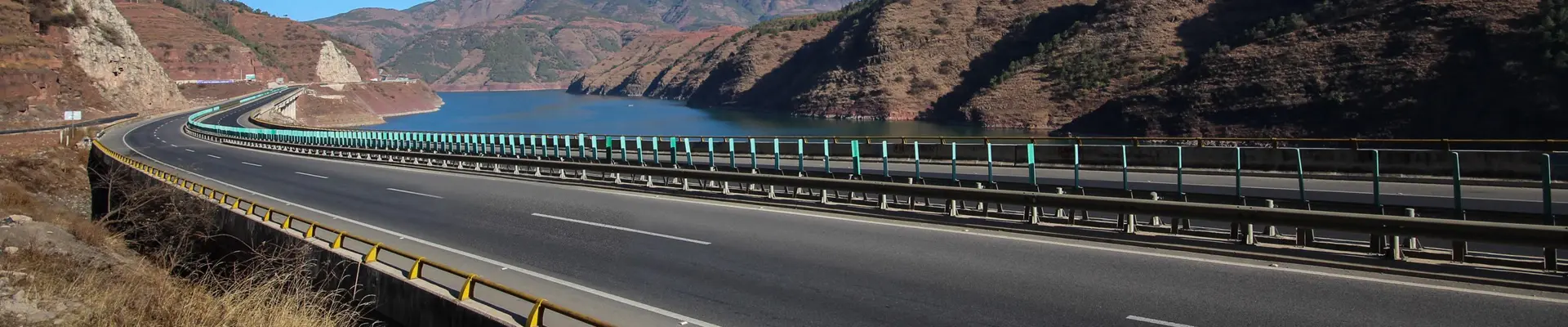
Highway Guardrail Systems for Sale
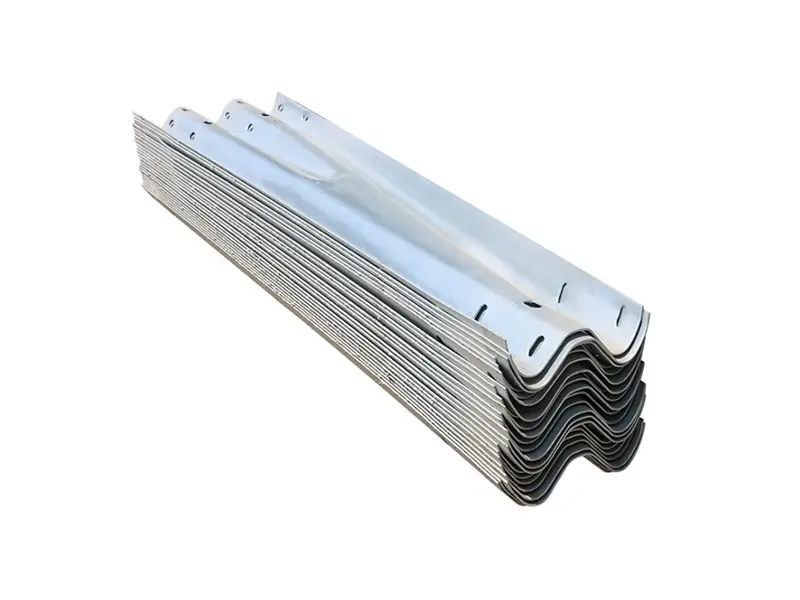
What Is Included in a Highway Guardrail System
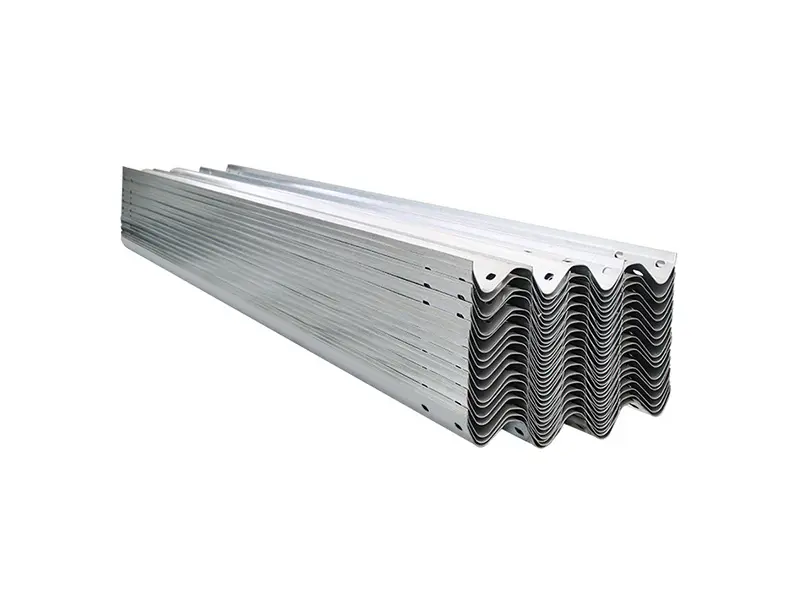
A highway guardrail is a complete roadside barrier, not just a steel rail. Each part has a specific job, and all parts must match the approved system drawing:
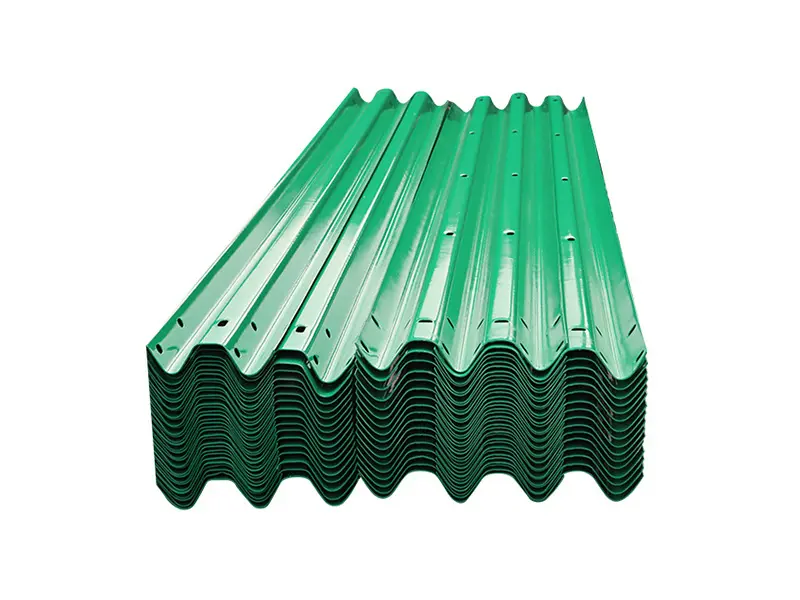
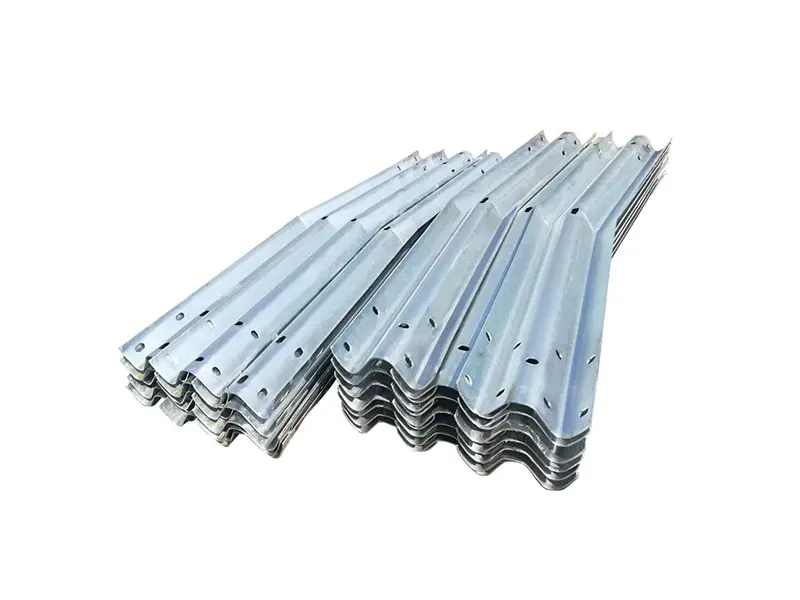
- Rail (beam): the corrugated steel element that contains and redirects an errant vehicle. See W-beam guardrail and Thrie-beam guardrail.
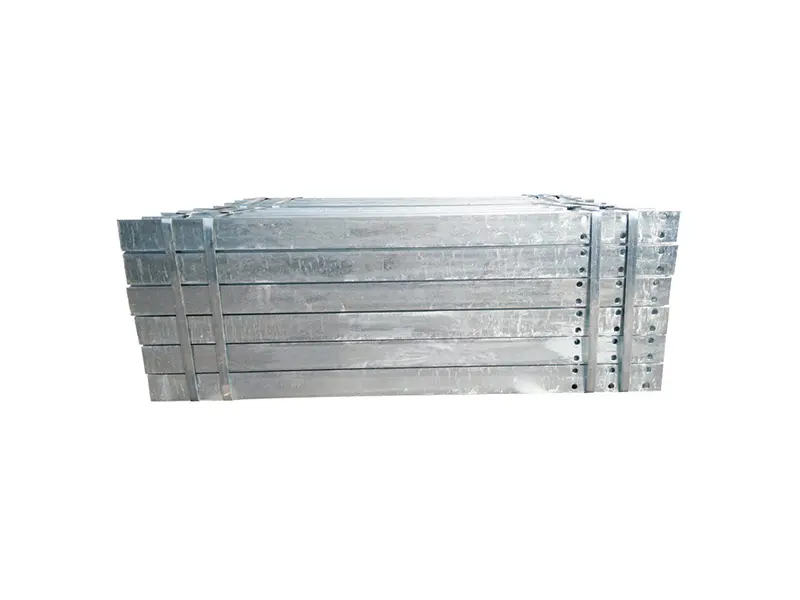
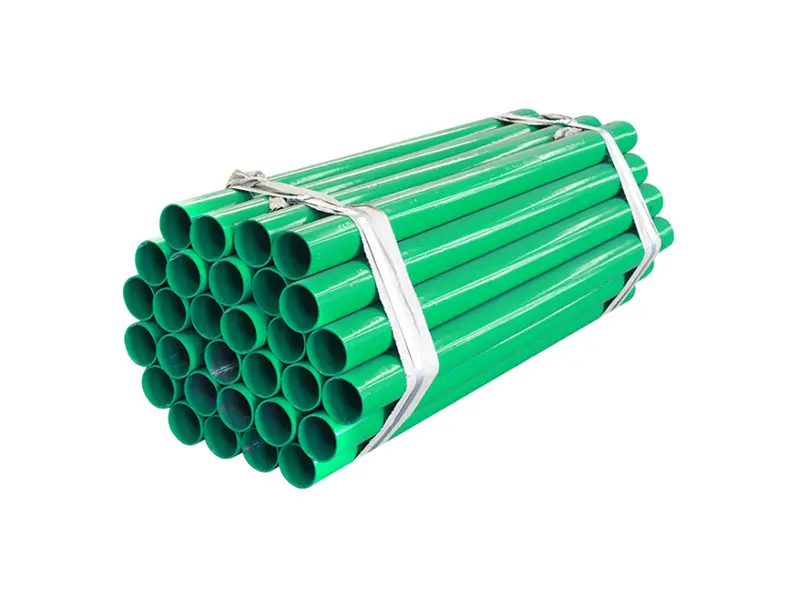
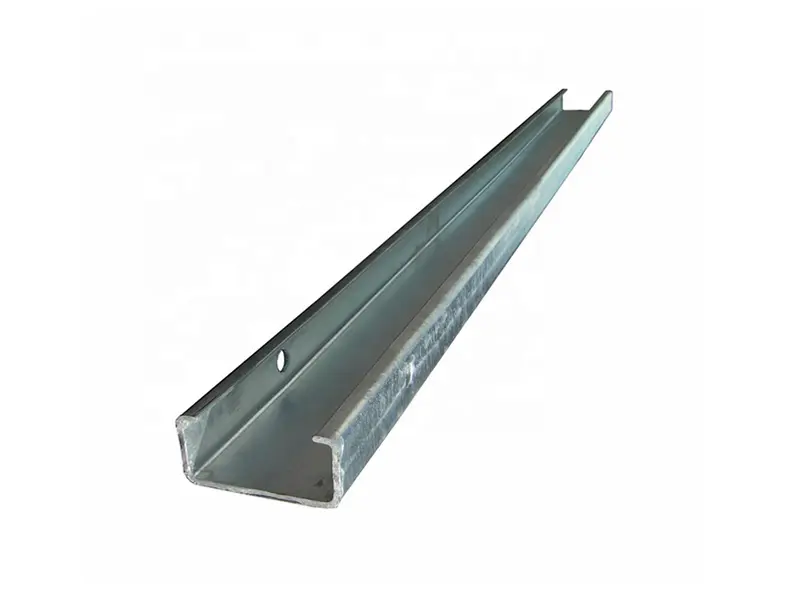
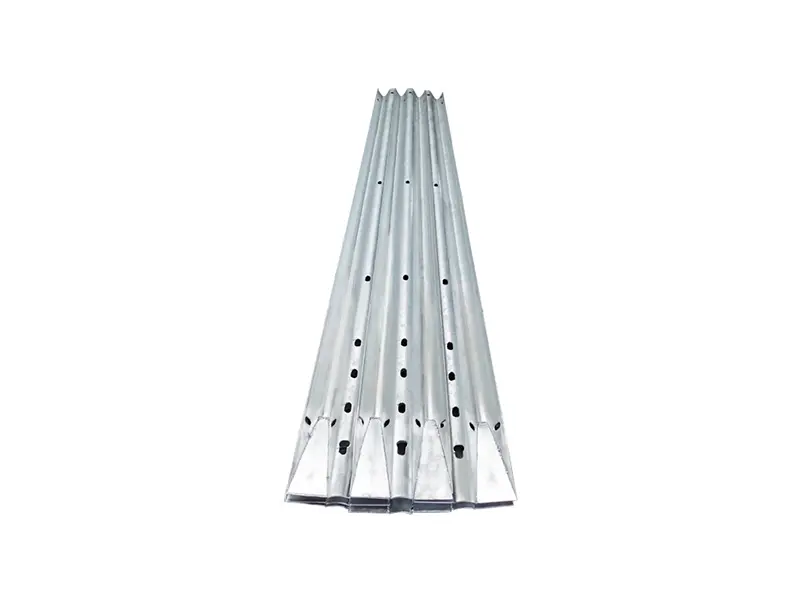
- Posts: H, C, U, Sigma or round sections that hold the rail at the design height. See guardrail posts.
- Spacers / blockouts: keep the rail away from the post so wheels do not snag.
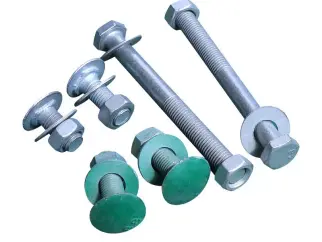
- Bolts and backup plates: splice the rails and fix them to the posts. See guardrail accessories.
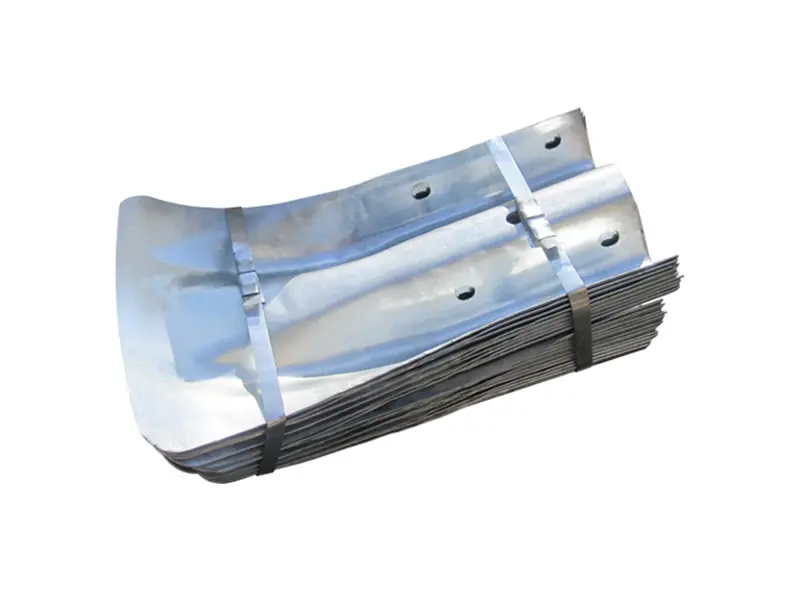
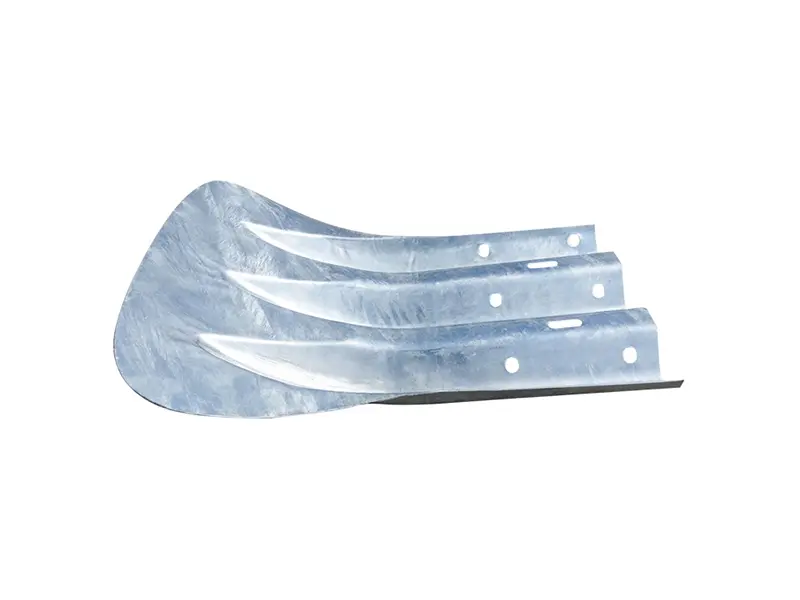
- Terminals and transitions: treat the rail ends and connect different barrier types. See guardrail end terminal and W-beam to Thrie-beam transition.
Road Guardrails for Highways and Traffic Safety
Road guardrails are steel barriers along the roadside or in the median. They stop a vehicle that leaves its lane from hitting a hazard or crossing into oncoming traffic. A traffic guardrail is placed only where hitting the rail is safer than hitting the hazard.
Common places for guardrails for roads:
- Steep embankments and drop-offs
- Bridge approaches and piers
- Medians on divided highways
- Sharp curves and ramps
- Trees, poles, signs and drainage structures near the road edge
A guardrail for highways is usually a metal beam system, such as W-beam or thrie-beam. Tenders may call it highway guard railing, roadside guardrail or road guard rails. These names all describe the same type of system.
Highway Guardrail Types
| Type | Typical use | Common references |
|---|---|---|
| W-beam guardrail | Roadsides, medians and rural roads; the most widely used road guardrail | AASHTO M180, EN 1317, local standards |
| Thrie-beam guardrail | Bridge approaches, high-risk sections, heavier vehicles | AASHTO M180, EN 1317 |
| Roller barrier | Sharp curves, ramps and mountain roads | Project-specific test documents |
| Bridge guardrail | Bridge decks and viaducts | Approved bridge drawings |
Not sure which profile fits your road? Read W-beam vs Thrie-beam guardrail.
Guardrail Height: How Tall Should a Highway Guardrail Be?
Answer first: 31 inches (787 mm) to the top of the rail is the nominal height for a new W-beam installation under MASH. The older 27 3/4 inch (705 mm) height remains the minimum accepted for existing systems. Height is always measured to the top of the rail, never to the top of the post.
Height decides which part of a vehicle meets the rail. If the rail sits too low, a pickup or SUV can ride up and over it. If it sits too high, a small car can pass underneath. Both cases put the vehicle beyond the barrier, so the requirement changed as the vehicle fleet grew taller.
Guardrail height by MASH test level
MASH sets the test level, and the test level sets the minimum height. This table summarises the heights used on US and MASH-based projects.
| Test level | Design vehicle | Rail height to top of rail | Where it applies |
|---|---|---|---|
| TL-2 | Passenger cars, 44 mph | 24 in / 610 mm | Evaluation of existing rail only, not for new work |
| TL-3 | Cars and pickups, 62 mph | 27 3/4 in / 705 mm minimum, 31 in / 787 mm nominal | The standard level for most highways |
| TL-4 | Single-unit trucks | 36 in / 914 mm | Medians and high truck volumes |
| TL-5 | Tractor-trailers | 42 in / 1,067 mm | Heavy truck routes and bridge rails |
Test Level 3 covers ordinary highways and is what most tenders call for. Test Levels 4 and 5 apply where large trucks make up a substantial share of traffic, or on bridge railings.
Why the standard moved from 27 3/4 to 31 inches
The 27 3/4 inch height came from crash testing under the older NCHRP Report 350 criteria. When testing moved to MASH with a heavier pickup as the design vehicle, the lower rail no longer contained and redirected the test vehicle reliably. The outcome was the Midwest Guardrail System: a 12 gauge W-beam rail at 31 inches nominal height, on W6x9 steel posts at 6 ft 3 in spacing with 43 1/4 inch embedment. FHWA guidance now asks agencies to adopt 31 inch designs as standard for new installations, at little or no extra cost.
For the beam itself, see W-beam guardrail dimensions and AASHTO M180 W-beam guardrail.
Post height, embedment and exposure
Post length is set by rail height plus embedment. A standard 6 ft (1,830 mm) steel post driven 43 1/4 inches (1,099 mm) into the ground leaves roughly 29 inches above grade, which brings the rail top to the nominal 31 inch line once the blockout and rail thickness are added. Posts set in concrete, in rock or on a mow strip change the design, so send the detail and we will match the post length to it.
Measuring guardrail height on site
- Measure from the road surface to the top of the rail, not the top of the post.
- Where a curb is present, measure from the top of the curb. The 31 inch system was validated above a curb at offsets of 1 to 6 ft behind it.
- Take readings at several posts, because construction tolerance is typically plus or minus 1 inch from nominal.
- After an asphalt overlay the rail effectively sits lower. Guardrail under about 26 1/2 inches should be raised, reset or reconstructed.
Thrie-beam height and EN 1317 projects
Thrie-beam uses a taller rail face than W-beam, about 510 mm against about 310 mm, so the same post puts more steel above ground. Mounting height still follows the test level rather than the profile. On EN 1317 projects the height follows the containment class named in the specification instead of a single national number, and W-beam systems on European work commonly sit around 600 to 700 mm to rail centre. Confirm the class and the working width before fixing the post length.
How height changes the quotation
Height is not a separate line item, but it drives post length, and posts are often the larger part of a system weight. Tell us the required height or test level and we will size the posts to match, then quote the complete bill of materials. See guardrail posts for the H, C, U, Sigma and round options.
Buying Highway Guardrail for Export: MOQ, Lead Time and Packing
We sell highway guardrail for sale directly from our factory to contractors, distributors and government project buyers. With 25+ years of experience and 3000+ tons of annual output, we have supplied 1000+ projects in 50+ countries.
- MOQ: usually one 20ft container. Rails, posts and hardware can be mixed in one shipment.
- Lead time: confirmed with the quotation. It depends on quantity, thickness, coating and the drawing.
- Packing: rails are bundled with steel strapping. Bolts and small parts are packed in bags or cases. Every bundle is marked for the project.
- Documents: mill test certificates, coating inspection records and packing lists can be supplied with the shipment.
Highway Guardrail Price
Guardrail price depends mainly on the steel price, rail thickness, zinc coating weight, post type and freight. For typical weights per metre and a worked cost example, read our highway guardrail cost per foot and per meter guide.
The fastest way to get an accurate price is to send your drawing and BOQ. We will quote the full system, not just the rail.
Highway Guardrail FAQ
What are road guardrails used for?
Road guardrails stop a vehicle that leaves the road from hitting a hazard, such as a steep slope, a bridge pier or oncoming traffic. They are used only where hitting the rail is safer than hitting the hazard.
What is the difference between a guardrail and a guide rail?
Both terms describe the same roadside barrier. "Guide rail" is common in some US states and Canada. "Guardrail" is the more widely used term. See guide rail vs guardrail for details.
Which highway guardrail standard should I follow?
Follow the standard named in your project specification. AASHTO M180 is common in the Americas and parts of Asia. EN 1317 is used in Europe and many tenders that follow European practice.
Can you supply the complete system in one order?
Yes. We can supply rails, posts, spacers, bolts, terminals and transitions together, checked against your BOQ.
How do I get a quotation?
Send the project country, standard, drawing, quantities, coating requirement and destination port through our contact page.
Request a Quote for Highway Guardrail Systems
Send your drawing, the required rail height or test level, the quantities, the coating class and the destination port. We will size the posts to your design and quote the complete system, beams, posts, terminals and hardware, as one bill of materials.