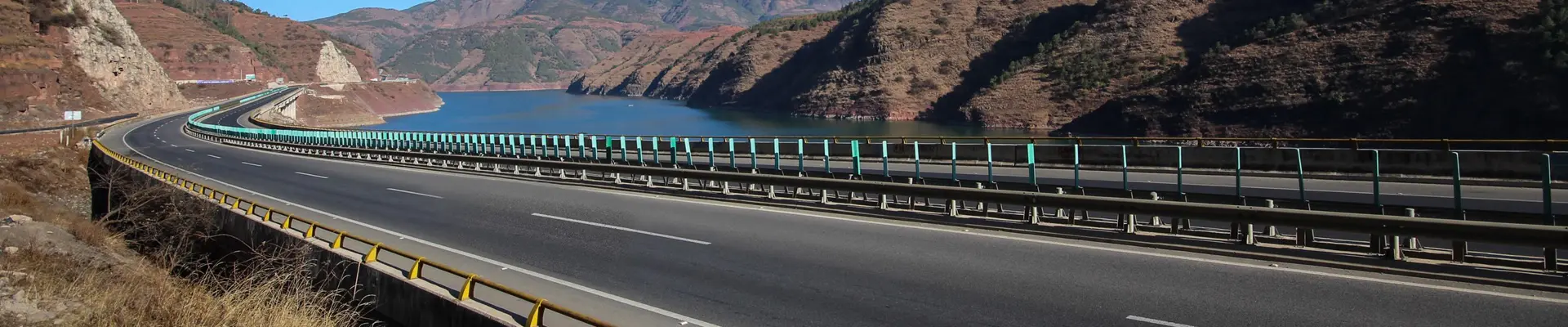
A practical guide to selecting W-beam guardrails, Thrie-beam guardrails and safety roller barriers according to road layout, project specifications, corrosion protection and complete system requirements.
Choosing a road safety barrier is not only a matter of selecting a steel beam. A complete highway guardrail system must match the road geometry, design drawings, installation method, terminal arrangement, corrosion protection and local authority requirements. For contractors and distributors, the most important decision is usually whether the project requires a conventional W-beam guardrail, a Thrie-beam guardrail, or a safety roller barrier system.
This guide explains the main differences between these systems and provides a practical checklist for requesting a quotation. For a complete component list, also read thehighway guardrail components and BOQ checklist.
The first step is to study the approved road drawing instead of choosing a product only by appearance. Roadside barriers, median barriers, bridge barriers and curve protection systems can have different component requirements. The project engineer may specify beam type, post spacing, spacer design, terminal treatment, transition details and installation depth.
W-beam guardrails are commonly considered for standard roadside and median barrier layouts. The final configuration should follow the approved drawing and local road authority specification.
Safety roller barriers may be considered for curved or high-risk sections where the project design calls for a rolling barrier arrangement. Review the full system, not only the roller barrel.
Bridge approaches and transitions often require additional components. Connect the selected beam system to bridge guardrails, terminals and transition beams according to the engineering drawings.
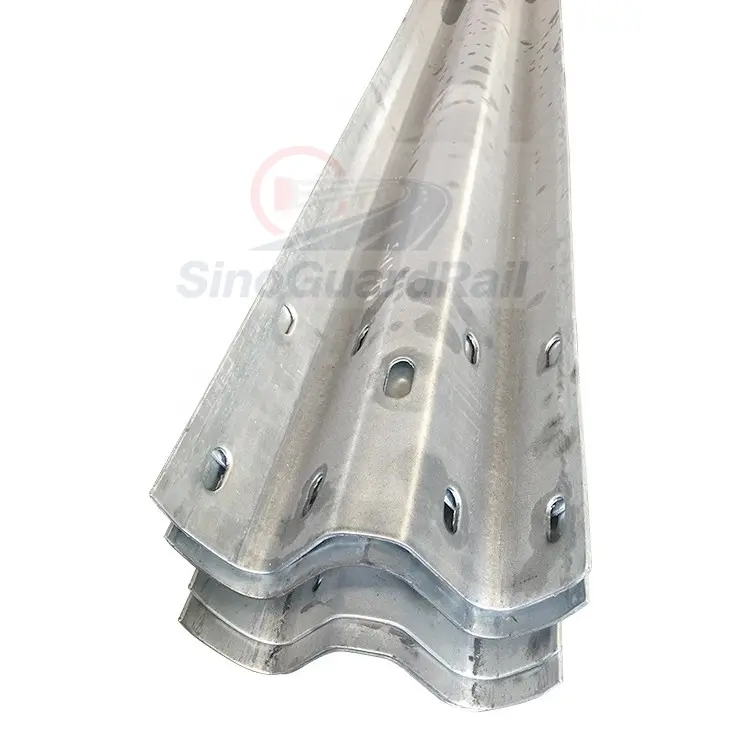
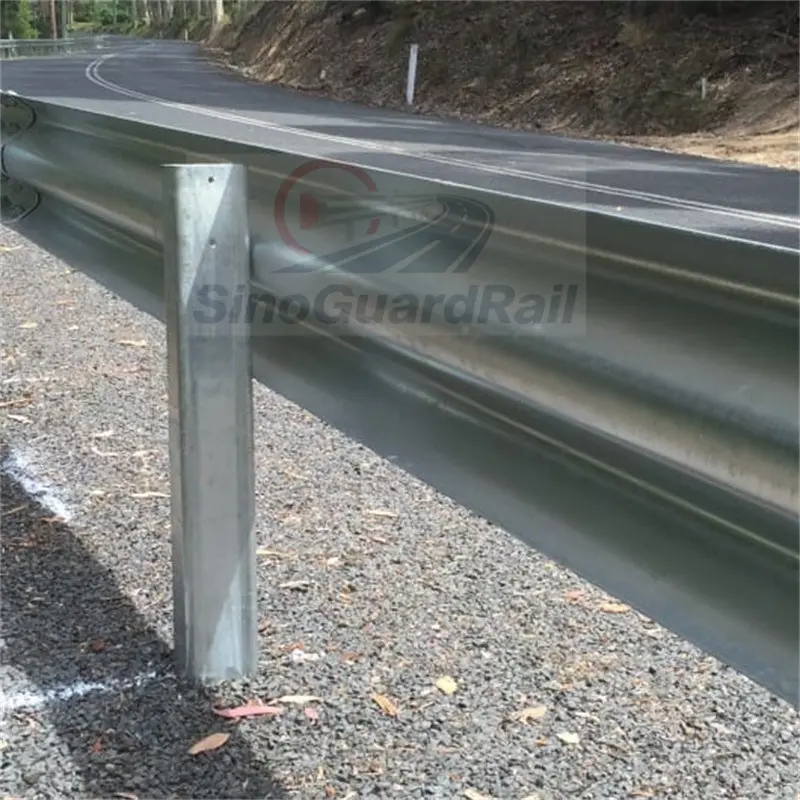
W-beam guardrail is a corrugated steel beam widely used in roadside and median barrier systems. It is normally supplied with posts, spacers, splice bolts, post bolts, washers, terminals and other accessories. The beam itself does not define the performance of the complete barrier system.
W-beam guardrails can be produced with different steel grades, thicknesses, surface treatments and coating requirements. The exact material grade, zinc coating, dimensions and certificates must be confirmed according to the approved project specification and purchase order.
| Quotation Item | What to Confirm |
|---|---|
| Beam profile | W-beam profile, hole pattern, splice direction and required effective length. |
| Material | Required steel grade, base-metal thickness, tolerance and mill certificate requirements. |
| Surface treatment | Hot-dip galvanizing, powder coating or another treatment specified by the project. |
| Zinc coating | Required coating mass or coating thickness, inspection method and acceptance criteria. |
| Complete system | Posts, spacers, bolts, terminals, transitions, reflectors and packing requirements. |
See theW-beam guardrail product pagefor a project-specific product overview, or compare material-focused options on thesteel beam guardrail page.
Thrie-beam guardrail has a three-wave profile and is selected when the project specification calls for that beam geometry or when a higher-section beam arrangement is required by the design. It should not be substituted for W-beam guardrail without checking the approved drawings, connection details and system requirements.
When comparing a W-beam and a Thrie-beam system, confirm the beam profile, post connection, spacer geometry, splice details, terminal arrangement and transition sections. The correct choice depends on the complete engineered system rather than the beam name alone.
Read more about theThrie-beam guardrail systemand its relatedThrie-beam transition components.
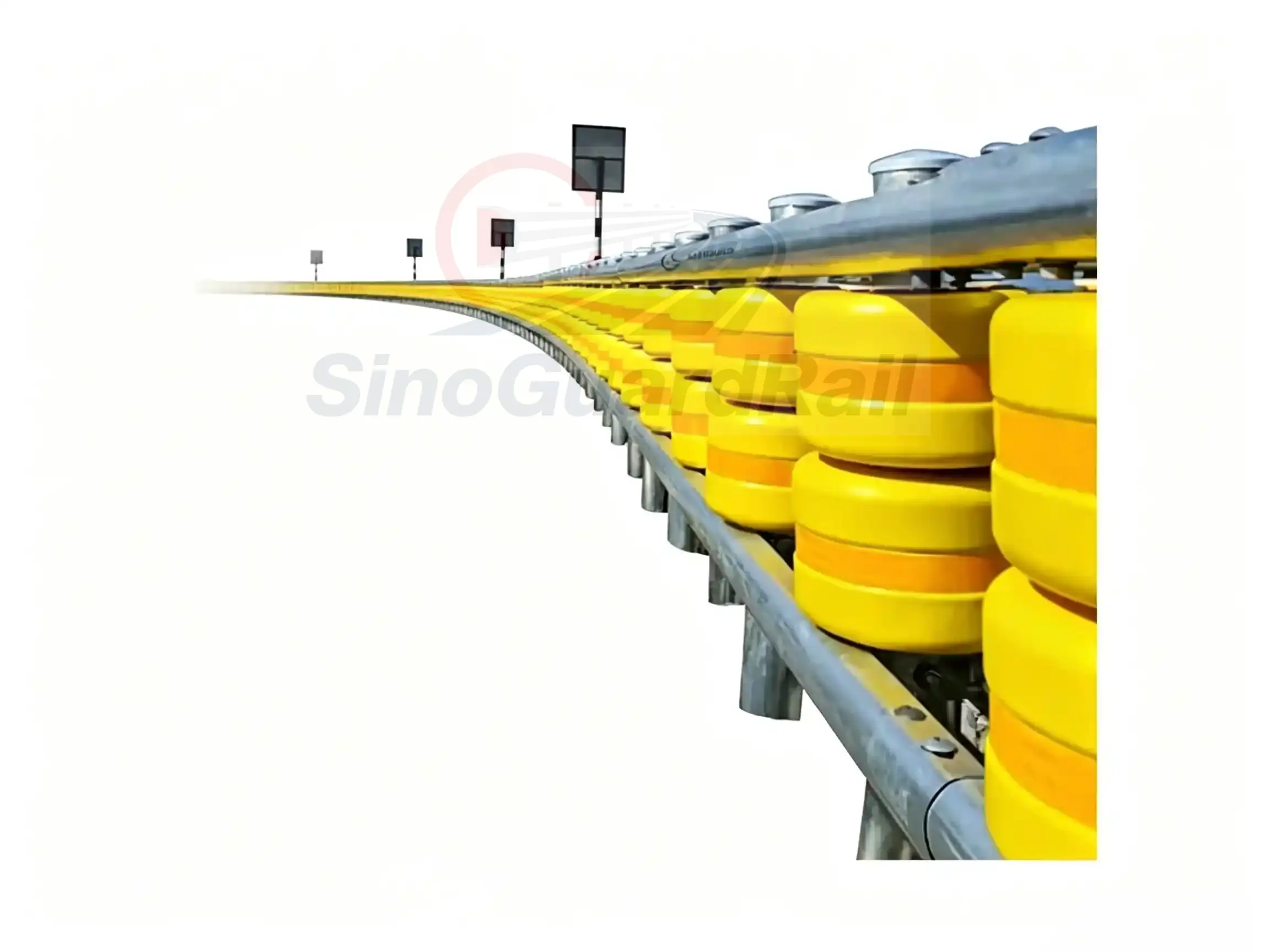
A safety roller barrier uses rotating barrels together with steel posts, frames and other system components. It is often considered for curves, bends and other road sections where the project design requires a rolling barrier solution.
Roller barrier systems may use steel structural components together with energy-absorbing roller materials. The required material, color, coating, post spacing, frame arrangement and installation details must be confirmed before production.
For regional applications, visit theroller barrier systemspage and the related pages forSingapore,Malaysia,the PhilippinesandThailand.
Corrosion protection should be written clearly in the RFQ and purchase order. Specify whether the requirement concerns zinc coating mass, coating thickness, surface appearance, repair treatment after drilling or cutting, and inspection documentation.
Do not assume that every galvanized guardrail has the same coating level. Different projects may require different coating values and inspection procedures. The signed project specification and inspection plan should take precedence over general website descriptions.
Beam type: W-beam, Thrie-beam or roller barrier system.
Overall length, effective length and required quantity.
Steel grade, base-metal thickness and dimensional tolerances.
Post type, post spacing, embedment and connection details.
Spacer blocks, brackets, splice bolts, post bolts and washers.
Terminals, end treatments, transitions and bridge connection details.
Galvanizing or powder-coating requirement and inspection method.
Marking, bundle weight, packing method and destination port.
Required drawings, material certificates and third-party inspection documents.
A complete BOQ helps the supplier quote the same system shown in the project drawing. It also reduces the risk of receiving beams without compatible posts, terminals or fasteners.
You can also review thehighway guardrail post types guidebefore finalizing the post and accessory list.
| System | Typical Project Discussion | Main RFQ Focus |
|---|---|---|
| W-beam guardrail | Common roadside and median barrier arrangement. | Beam profile, steel grade, thickness, posts, spacers and terminals. |
| Thrie-beam guardrail | Three-wave beam configuration specified by the project design. | Beam geometry, connections, transitions and compatible accessories. |
| Safety roller barrier | Rolling barrier arrangement considered for curves and bends. | Roller material, frame system, post spacing, corrosion protection and layout. |
No. W-beam is widely used, but the selected barrier must comply with the approved project drawing, local authority requirements, site conditions and complete system design.
No. The beam profile affects connections, spacers, posts, transitions and terminals. Any substitution should be reviewed and approved by the project engineer.
Send the target country, road layout, applicable standard, drawings, BOQ, beam type, material grade, thickness, coating requirement, component list, packing details, destination port and delivery schedule.
Send the drawings and BOQ through theSinoGuardrail contact pageso the beam configuration and matching components can be reviewed together.
Share your drawings, BOQ and destination information for a project-specific review of W-beam guardrails, Thrie-beam guardrails, roller barriers and related components.
Technical note: Product values shown in this article are general reference information. Final dimensions, materials, coating requirements, certificates and system compliance must be confirmed in the approved project specification and purchase order.
Contact: Mr.Zhang
Phone: +86 13306356181
Email: [email protected]
Add: Guanxian Economic Development Zone, Liaocheng City, Shandong Province, China
We chat